Restaurants
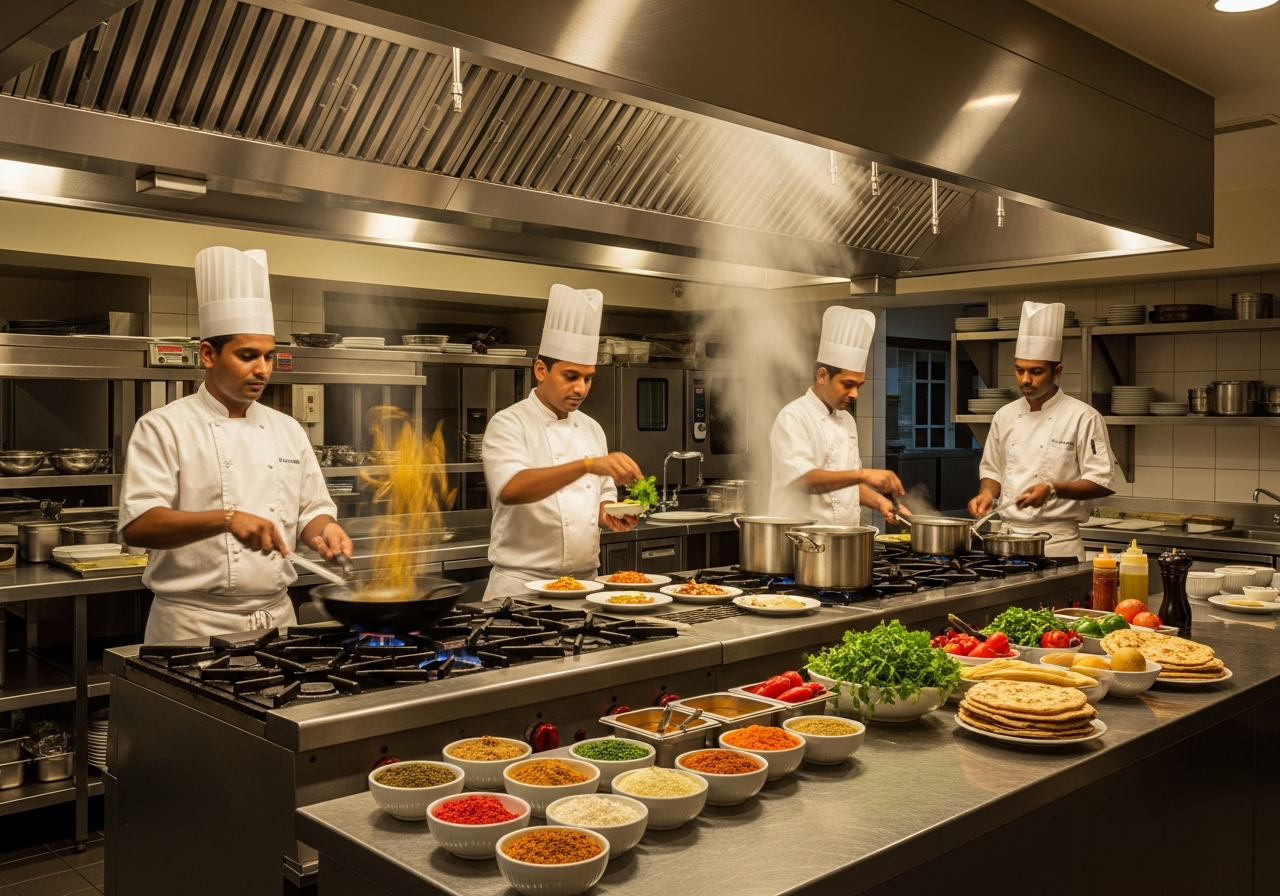
PM2.5 from cooking spikes 20x in restaurant kitchens. Staff health, dining room comfort, and compliance all depend on proper ventilation.
20x PM2.5 from cooking
Grease filtration needed
Staff safety first
PM2.5 from cooking spikes 20x in restaurant kitchens. Staff health, dining room comfort, and compliance all depend on proper ventilation.
The problem
Commercial cooking generates PM2.5, CO, VOCs, and heat — all simultaneously, all day.
Tandoor, deep fryers, grills — combined cooking can push kitchen PM2.5 to 40x the WHO limit.
Gas cooking produces carbon monoxide. Without proper exhaust, it accumulates to dangerous staff-exposure levels.
Cooking fumes spread to dining areas. Guest clothes smell of food. Fabric-lined walls absorb grease.
Our solution
Exhaust hoods alone aren't enough. You need balanced make-up air and dining room separation.
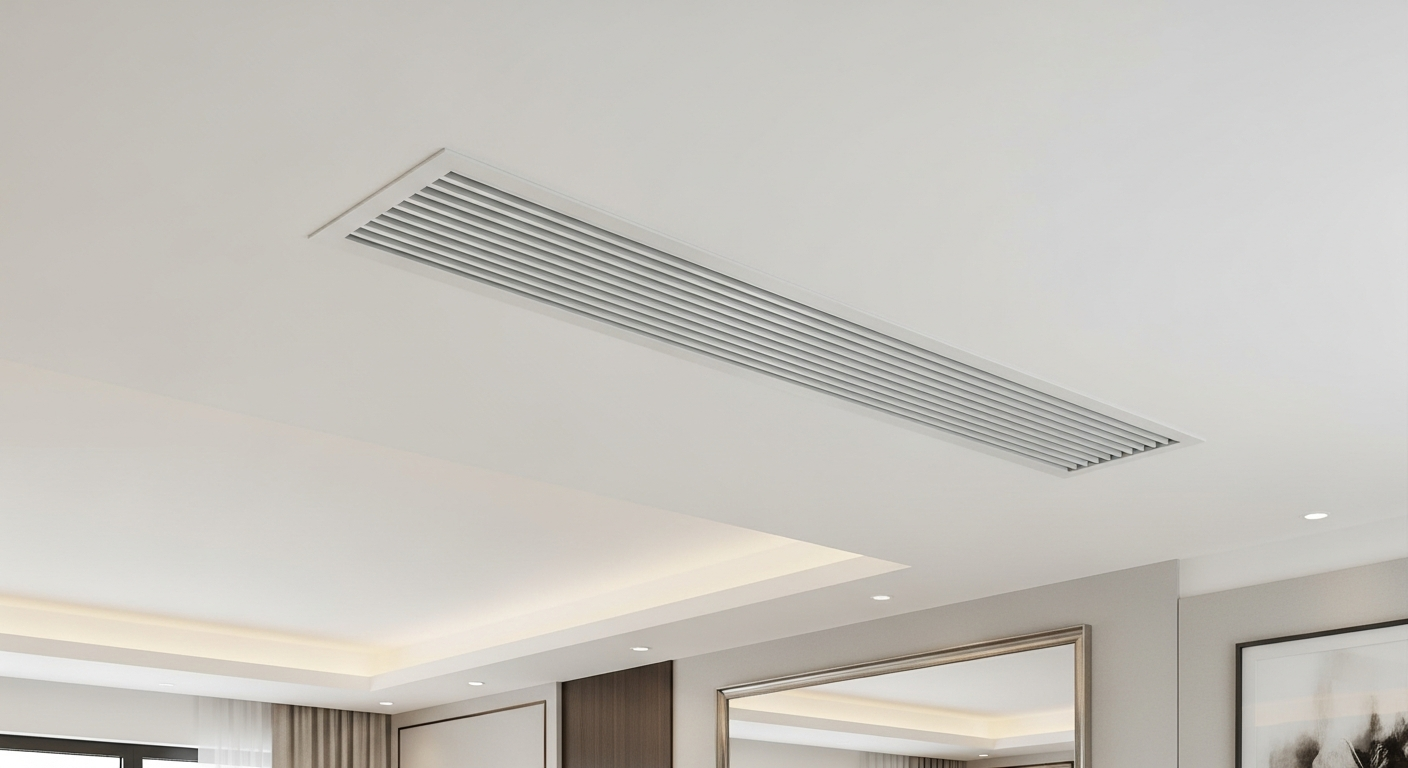
For every cubic foot of exhaust, you need equal make-up. Without it, kitchens go into negative pressure.
Multi-stage grease traps before the exhaust fan. Reduces fire risk and rooftop cleanup.
Dedicated ventilation keeps dining rooms free of kitchen smells. Guests enjoy food without wearing it.
CO sensors near cooking stations. Automatic alerts if levels approach occupational safety limits.
Real results
Representative readings from a restaurants client in Delhi NCR.
Free air assessment. We bring the sensors. You see the data.
Book free air check